Acropholis: The Timeless Elegance of Handwritten Script in Modern Design
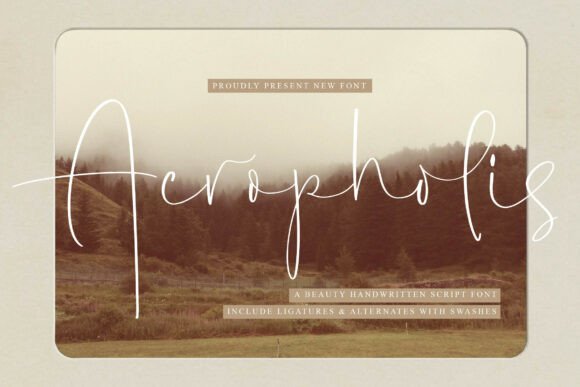
In a world dominated by digital interfaces and sterile typography, there’s a quiet resurgence of handwritten fonts that evoke warmth, character, and individuality. Acropholis is one such font that stands out for its graceful, elongated strokes and vintage charm. It’s not just a typographic choice—it’s a statement. Whether used in fashion editorials, logos, or product packaging, Acropholis brings a sense of sophistication and natural texture that resonates with both creators and consumers.
The Allure of Handwritten Fonts in a Digital Age
Handwritten fonts like Acropholis are more than just aesthetic choices; they reflect a deeper cultural shift. As people become increasingly aware of the emotional and visual impact of design, the demand for fonts that feel personal and authentic has grown. Acropholis taps into this desire by offering a handcrafted look without the complexity of actual handwriting. Its elongated strokes and fluid curves give it a timeless quality that feels both modern and nostalgic.
This font is particularly well-suited for creative industries where visual storytelling is key. For instance, in luxury fashion branding, Acropholis can be used to craft labels, tags, or taglines that exude elegance and exclusivity. Similarly, in product packaging, it adds a touch of artisanal craftsmanship that can elevate a brand’s image and make it stand out on store shelves.
Why Acropholis Matters in Contemporary Design
Design trends today are shaped by a blend of nostalgia and innovation. Acropholis fits perfectly within this context. Its vintage appeal appeals to those who appreciate the past while still embracing contemporary aesthetics. This balance makes it a versatile tool for designers looking to create content that feels both rooted in tradition and relevant to today’s audience.
Moreover, as remote work and digital collaboration become more prevalent, the need for visually engaging content has never been greater. Acropholis offers a way to inject personality into digital spaces—whether it's for social media posts, website headers, or email signatures. Its handwritten texture helps break the monotony of standard sans-serif or serif fonts, making it an excellent choice for creating a memorable brand identity.
Practical Applications Across Industries
- Fashion Editorials: Acropholis can be used to add a touch of elegance to editorial titles, captions, or designer labels. Its flowing script complements high-end visuals and enhances the overall mood of the piece.
- Logo Design: For brands that want to convey creativity and uniqueness, Acropholis provides a distinctive option. It works especially well for lifestyle brands, boutique stores, or artistic ventures that aim to stand out in a crowded market.
- Product Packaging: In the world of consumer goods, Acropholis can transform plain labels into eye-catching elements. From skincare products to artisanal food items, its vintage charm can help differentiate a brand from competitors.
- Digital Content: Bloggers, educators, and marketers can use Acropholis to create visually appealing headers, call-to-action buttons, or social media graphics that capture attention and build brand recognition.
How Trends Are Shaping the Use of Handwritten Fonts
The rise of minimalism and maximalism in design has created a unique space for handwritten fonts like Acropholis. While minimalist design often favors clean lines and simplicity, Acropholis introduces a layer of complexity and emotion that can enhance rather than detract from a design. This duality makes it a powerful tool for designers navigating the evolving landscape of visual communication.
Additionally, the growing emphasis on sustainability and ethical consumption has influenced how brands approach their visual identity. Acropholis aligns with these values by offering a font that feels handmade and intentional. Its use in eco-conscious branding can help reinforce a company’s commitment to authenticity and craftsmanship.
Real-World Examples of Acropholis in Action
Consider a boutique fashion brand that uses Acropholis on its website and social media profiles. The font’s elegant strokes and vintage feel create a sense of exclusivity that appeals to discerning customers. Similarly, a small business owner might use Acropholis in their logo and marketing materials to convey a personal, artisanal vibe that sets them apart from mass-produced alternatives.
Another example is a lifestyle blog that incorporates Acropholis in its headers and article titles. The font’s readability and aesthetic appeal make it ideal for content that needs to be both informative and visually engaging. By using Acropholis consistently across different platforms, the blog builds a cohesive brand identity that resonates with its audience.
Choosing the Right Font for Your Needs
While Acropholis is a fantastic choice for many applications, it’s important to consider the context in which it will be used. For instance, it may not be the best fit for body text due to its decorative nature. However, when used strategically—such as for headings, titles, or accent elements—it can significantly enhance the visual hierarchy of a design.
Designers should also think about the target audience. A font like Acropholis is likely to resonate with audiences who value artistry, history, and personal expression. If your brand or project caters to a more formal or professional demographic, you may want to pair Acropholis with other fonts that offer a balance between elegance and clarity.
Tips for Using Acropholis Effectively
- Use it sparingly: Like any decorative font, Acropholis should be used in moderation to maintain readability and avoid overwhelming the viewer.
- Pair it with complementary fonts: Combine Acropholis with a clean, modern sans-serif font for a balanced and professional look.
- Test it across devices: Ensure that Acropholis renders well on different screens and platforms to maintain consistency in your design.
- Consider accessibility: Always provide alternative text or ensure that the font is legible for users with visual impairments.
Conclusion
Acropholis is more than just a font—it’s a design philosophy that bridges the gap between tradition and modernity. Its graceful, handwritten style offers a unique way to communicate sophistication, creativity, and authenticity in today’s digital landscape. Whether you’re a designer, marketer, or entrepreneur, incorporating Acropholis into your visual strategy can help you stand out in a world that often prioritizes uniformity over individuality.