Claramonde: A Timeless Handwritten Font for Elegant Design
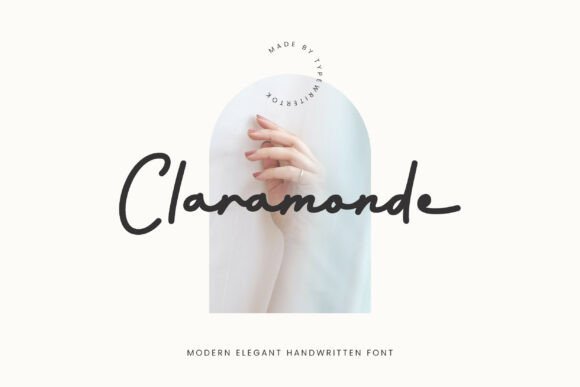
Claramonde is a handwritten font that brings a sense of elegance and sophistication to any design project. Its fluid strokes and delicate forms make it a standout choice for those seeking a touch of luxury in their typography. Whether used in branding, invitations, or creative content, Claramonde adds an exclusive and high-end feel to visual communication.
What Is Claramonde?
Claramonde is a serif-based handwritten font designed with meticulous attention to detail. Each letterform is crafted to reflect the grace and artistry of hand-drawn script, making it visually appealing and highly versatile. The font maintains a consistent rhythm while allowing for subtle variations in stroke weight, which enhances its readability and aesthetic appeal.
This font is ideal for designers looking to create a personal and artistic touch in their work. It is not just a tool for aesthetics but also serves as a means of conveying emotion and character through typography.
Why Would Someone Be Interested in Claramonde?
There are several reasons why designers and creatives might find Claramonde compelling. First, its elegant appearance makes it suitable for a wide range of applications, from print materials to digital media. Second, the font’s unique style can help differentiate a brand or project from competitors, offering a distinctive visual identity.
Additionally, Claramonde is well-suited for use in projects that require a refined and sophisticated tone. This includes wedding invitations, luxury branding, editorial content, and more. Its versatility allows it to adapt to different contexts without losing its core character.
Benefits of Using Claramonde
One of the primary benefits of Claramonde is its ability to convey elegance and exclusivity. The font’s delicate lines and flowing curves give it a timeless quality that resonates with audiences who appreciate craftsmanship in design.
Another advantage is its readability. Despite being a handwritten font, Claramonde maintains clarity at various sizes, making it practical for both small text and larger headlines. This ensures that the font remains functional across different mediums and platforms.
Furthermore, Claramonde offers a level of customization that many other fonts lack. Designers can adjust spacing, alignment, and even incorporate stylistic variations to suit specific needs, enhancing the overall impact of their designs.
Considerations and Tradeoffs
While Claramonde has many strengths, it is important to consider its limitations. As a handwritten font, it may not be the best choice for all types of content. For instance, it might not be suitable for long blocks of text due to its ornate nature, which could affect legibility in certain contexts.
Additionally, Claramonde may require more careful handling when it comes to formatting and layout. Unlike sans-serif fonts that are often more rigid in structure, this font demands attention to spacing and alignment to ensure optimal presentation.
Designers should also be mindful of the audience and purpose of their project. If the goal is to communicate information clearly and efficiently, a more structured font might be a better fit. However, if the aim is to evoke emotion or create a sense of artistry, Claramonde could be the perfect choice.
Situations Where Claramonde Excels
Claramonde shines in situations where a touch of elegance and personality is desired. It is particularly effective for:
- Wedding Invitations: The romantic and refined look of Claramonde complements the theme of love and celebration.
- Luxury Branding: Its sophisticated appearance aligns well with high-end fashion, jewelry, and lifestyle brands.
- Creative Content: From editorial design to book covers, Claramonde adds a unique flair to artistic projects.
- Personalized Projects: Whether it's a thank-you note or a custom greeting card, Claramonde brings a personal touch to every piece.
When to Consider Alternatives
While Claramonde is a remarkable font, there are scenarios where alternatives may be worth considering:
- For Long Text Content: Fonts like Gotham or Playfair Display offer greater readability for extended passages.
- For Modern Designs: Sans-serif fonts such as Helvetica Neue or Montserrat provide a clean and contemporary look.
- For Minimalist Projects: A simpler font like Open Sans or Raleway may be more appropriate for a sleek and uncluttered design.
Ultimately, the decision to use Claramonde depends on the specific goals of the project. It is essential to evaluate how well the font aligns with the intended message, audience, and platform.
Practical Decision-Making Insights
Before selecting Claramonde, consider the following factors:
- Intended Use: Determine whether the font will be used for headings, body text, or decorative elements.
- Audience: Understand who the target audience is and what kind of impression you want to make.
- Platform: Ensure the font performs well across different devices and screen sizes.
- Readability: Test the font in various contexts to confirm it maintains clarity and legibility.
By carefully evaluating these aspects, designers can make informed decisions about whether Claramonde is the right choice for their project.
In conclusion, Claramonde is a beautiful and elegant font that offers a unique blend of artistry and functionality. While it may not be suitable for every design scenario, it excels in contexts that value refinement, creativity, and a personal touch. By understanding its strengths and limitations, designers can effectively determine whether Claramonde aligns with their goals and needs.