Discover Paulquit: A Fun and Casual Handwritten Font
In the world of typography, fonts play a crucial role in shaping how we communicate visually. Whether you're designing a website, creating a logo, or crafting social media content, choosing the right font can make all the difference. One such font that has been gaining popularity for its unique charm and versatility is Paulquit. In this article, we'll explore what Paulquit is, why it's special, and how you can use it to enhance your creative projects.
What Is Paulquit?
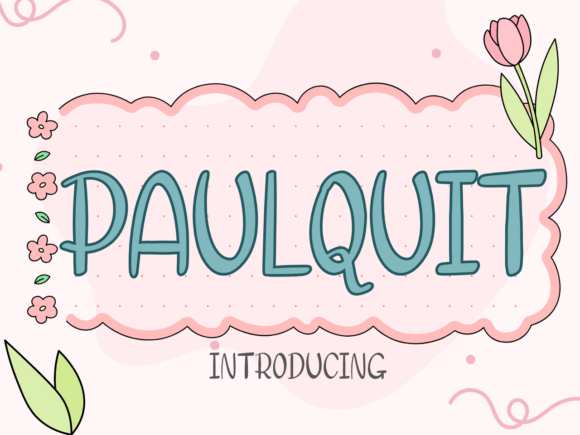
Paulquit is a fun and casual handwritten font designed to bring a sense of personality and warmth to any design project. It’s not just another typeface—it's an expression of creativity and individuality. The font features soft, flowing strokes and a playful character that makes it stand out from more traditional, rigid fonts.
Handwritten fonts like Paulquit are often used in branding, invitations, greeting cards, and digital content to create a more personal and approachable feel. They’re especially popular in industries where a friendly and informal tone is desired, such as fashion, lifestyle, and creative fields.
Why Choose Paulquit?
- Unique Aesthetic: Paulquit brings a hand-drawn, artistic look that adds visual interest to any project.
- Easy to Read: Despite its casual style, the font remains legible, making it suitable for both short and longer text.
- Flexible Use: It works well across various platforms and mediums, including websites, print materials, and social media graphics.
- Emotional Appeal: Its warm and friendly appearance can evoke feelings of nostalgia, creativity, and connection.
The Significance of Handwritten Fonts
Handwritten fonts have a long history in design, dating back to the days of lettering and calligraphy. Today, they continue to be relevant because they offer a human touch in an increasingly digital world. Unlike sans-serif or serif fonts, which are often associated with professionalism and structure, handwritten fonts convey a more personal and intimate vibe.
Paulquit fits into this trend by offering a modern take on the classic handwritten style. It’s ideal for designers looking to add a bit of flair without sacrificing readability. Whether you're working on a personal blog, a brand identity, or a marketing campaign, Paulquit can help you stand out in a crowded digital landscape.
Practical Relevance in Modern Design
In today's fast-paced digital environment, first impressions matter. A well-chosen font can influence how your audience perceives your brand or message. Here are some ways Paulquit can be practically applied:
- Branding: Use Paulquit for logos, taglines, or social media handles to create a distinctive brand identity.
- Marketing Materials: Incorporate the font into posters, flyers, and email signatures to add a friendly and approachable tone.
- Web Design: Add Paulquit to headers, buttons, or call-to-action elements to guide user attention and improve engagement.
- Education: Teachers and educators can use the font in lesson plans, handouts, or classroom materials to make learning more engaging for students.
- Creative Projects: From book covers to greeting cards, Paulquit can elevate the visual appeal of any creative endeavor.
How to Use Paulquit in Your Projects
Using Paulquit is straightforward, but it's important to consider the context in which you're applying it. Here are some tips to help you get started:
1. Choose the Right Context
Paulquit is best suited for informal or creative contexts. Avoid using it for formal documents, legal texts, or professional reports where clarity and professionalism are key. Instead, save it for headlines, captions, and other decorative elements.
2. Pair with Other Fonts
To maintain balance and readability, pair Paulquit with a contrasting font for body text. For example, you could use a clean sans-serif font like Arial or Helvetica for the main content while using Paulquit for headings or quotes.
3. Experiment with Sizes and Styles
Try different sizes and weights to see how Paulquit looks in various formats. You might find that it works particularly well in larger sizes for signs, banners, or social media posts.
4. Test Across Devices
Before finalizing your design, test how Paulquit appears on different devices and screen sizes. Ensure that it remains legible and visually appealing in all contexts.
Common Misconceptions About Handwritten Fonts
Despite their growing popularity, there are some common misconceptions about handwritten fonts like Paulquit. Let’s address a few:
- Misconception 1: “Handwritten fonts are only for children or informal use.” – This isn’t true. While many handwritten fonts are used in casual settings, they can also be adapted for more mature or sophisticated designs with the right styling.
- Misconception 2: “All handwritten fonts are difficult to read.” – This depends on the font itself. Paulquit, for example, is designed to be readable and easy on the eyes, even in its casual style.
- Misconception 3: “You need advanced design skills to use handwritten fonts effectively.” – While design skills can enhance your work, many tools and resources make it easy for beginners to incorporate fonts like Paulquit into their projects.
Conclusion
Paulquit is more than just a font—it’s a tool for self-expression and creativity. By understanding its purpose, significance, and practical applications, you can use it to enhance your design projects and connect with your audience in a meaningful way.
Whether you're a designer, educator, marketer, or hobbyist, adding Paulquit to your toolkit can open up new possibilities for your creative work. So, go ahead—experiment, explore, and enjoy the results of using this fun and casual handwritten font in your next project.
If you're interested in learning more about typography or exploring other fonts, consider visiting Google Fonts or checking out design communities like Dribbble and Behance.