Exploring the Aesthetic and Utility of Ajinomote: A Handwritten Font with a Unique Character
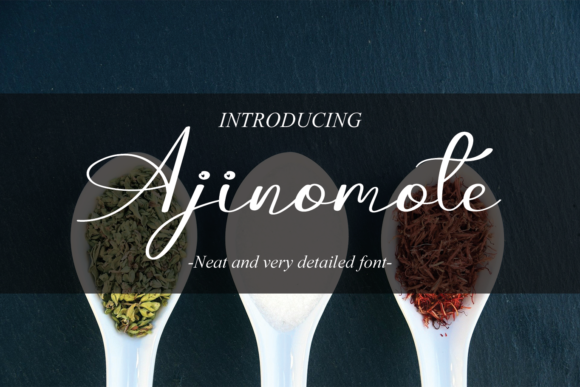
Ajinomote is more than just a font—it's a visual experience. This elegant, handwritten style brings a sense of warmth and personality to any design project. With its beautifully curved letters and fluid cursive flow, Ajinomote stands out in a world dominated by rigid, digital typography. Whether used for branding, creative content, or personal expression, this font offers a unique blend of artistry and functionality.
The Origin and Design Philosophy of Ajinomote
Ajinomote was designed with a focus on natural handwriting, capturing the essence of how people write by hand. The creator envisioned a font that would feel organic, as if it were drawn by an experienced calligrapher rather than generated by a machine. Each letterform is carefully crafted to maintain a consistent rhythm and flow, making it both visually appealing and easy to read.
The name "Ajinomote" translates to "a gentle movement" in Japanese, reflecting the soft, flowing nature of the font. This subtle nuance adds depth to the font’s identity, suggesting a balance between elegance and approachability. The design philosophy behind Ajinomote emphasizes readability without sacrificing style, ensuring that it remains accessible even in larger sizes or at lower resolutions.
Key Characteristics of Ajinomote
- Curved Letters: Unlike many sans-serif fonts, Ajinomote features rounded, flowing curves that give it a soft and inviting appearance.
- Cursive Flow: The font maintains a consistent cursive style throughout, allowing for a natural, connected look when writing long passages.
- Handwritten Feel: The irregularity and variation in stroke weight mimic the imperfections of real handwriting, adding character and authenticity.
- Adaptable Style: Whether used for logos, invitations, or web content, Ajinomote can be adapted to suit a wide range of applications.
- High Readability: Despite its artistic flair, the font remains highly legible, making it suitable for both short and long-form text.
Why Ajinomote Stands Out in the World of Typography
In a market flooded with generic fonts, Ajinomote offers a refreshing alternative. Its distinctiveness lies in its ability to convey emotion and personality through typography. Unlike traditional serif or sans-serif fonts, which often prioritize function over form, Ajinomote embraces the beauty of imperfection. This makes it particularly well-suited for creative industries such as graphic design, branding, and publishing.
One of the most compelling aspects of Ajinomote is its versatility. It can be used in both digital and print formats, making it a valuable tool for designers working across multiple platforms. Whether applied to a website header, a social media post, or a printed brochure, Ajinomote adds a touch of sophistication and individuality.
Use Cases for Ajinomote
The adaptability of Ajinomote means it can be applied in various contexts. Here are some common use cases where this font shines:
Branding and Logo Design
Ajinomote is often chosen for brand logos due to its distinctive and memorable style. Companies looking to create a unique visual identity may opt for this font to differentiate themselves from competitors. For example, a boutique coffee shop might use Ajinomote in their logo to convey a sense of warmth and community.
Invitations and Event Materials
Weddings, birthdays, and other special events benefit greatly from the aesthetic of Ajinomote. Its elegant, handwritten style lends itself well to wedding invitations, thank-you notes, and event signage. The font adds a personal touch that feels more heartfelt than a standard digital typeface.
Web Content and Social Media
With the rise of social media, the demand for visually engaging content has increased. Ajinomote can be used in blog headers, Instagram captions, and Twitter posts to capture attention and create a cohesive brand image. However, it's important to note that the font may not render perfectly on all devices, so testing is recommended before finalizing designs.
Print Publications and Educational Materials
While Ajinomote is not typically used for long-form reading, it can be an effective choice for titles, headings, and emphasis in educational materials. Teachers and educators may use it to highlight key concepts in lesson plans or study guides, helping students retain information more effectively.
Considerations When Using Ajinomote
Although Ajinomote is a beautiful font, there are a few considerations to keep in mind when using it in your projects:
- Readability in Small Sizes: While Ajinomote is generally readable, it may become less legible at very small sizes. It’s best suited for headings, titles, and other prominent text elements.
- Font Licensing: Always check the licensing terms for Ajinomote before using it commercially. Some fonts are free for personal use but require purchase for commercial applications.
- Compatibility: Ensure that the font is compatible with the platforms and software you're using. Some older systems or browsers may not support certain font styles.
- Consistency: To maintain a cohesive design, use Ajinomote consistently throughout your project. Avoid mixing it with other fonts unless done intentionally for contrast or effect.
Comparing Ajinomote to Other Handwritten Fonts
Ajinomote shares similarities with other popular handwritten fonts like Baskerville, Comic Sans MS, and Quicksand. However, it distinguishes itself through its unique cursive flow and organic feel. While Comic Sans MS is known for its playful and informal style, Ajinomote offers a more refined and elegant alternative. Similarly, Baskerville is a classic serif font, while Ajinomote leans into the modern, handwritten aesthetic.
For those seeking a font that balances creativity with professionalism, Ajinomote is an excellent choice. It provides the visual interest of a handwritten style without compromising on clarity or usability. This makes it ideal for both personal and professional settings.
Conclusion
Ajinomote is more than just a font—it's an expression of creativity and individuality. Its elegant, handwritten style offers a unique visual appeal that can enhance any design project. Whether used for branding, invitations, or web content, Ajinomote brings a sense of warmth and personality to every application.
By understanding its characteristics, advantages, and appropriate use cases, designers and creators can make informed decisions about when and how to incorporate Ajinomote into their work. As the demand for visually engaging content continues to grow, fonts like Ajinomote will remain relevant in shaping the future of digital and print design.