Magic Dream: A Versatile Font for Modern Design
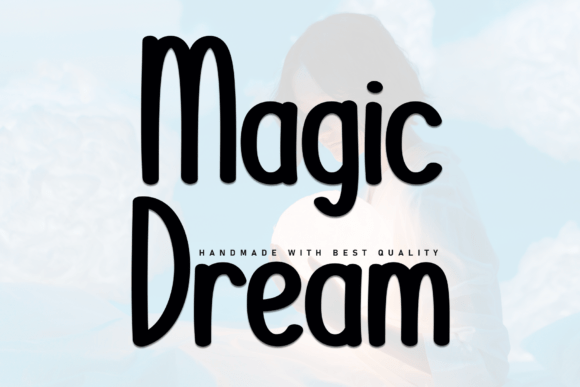
Magic Dream is more than just a font—it's a design language that brings warmth, clarity, and personality to any project. Designed with simplicity and approachability in mind, Magic Dream strikes a perfect balance between modern aesthetics and classic typography principles. Its clean lines and subtle rounded edges give it a friendly feel, making it ideal for a wide range of applications from branding to digital content.
The Aesthetic of Magic Dream
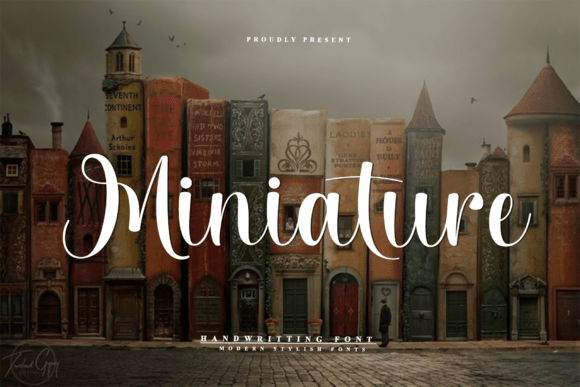
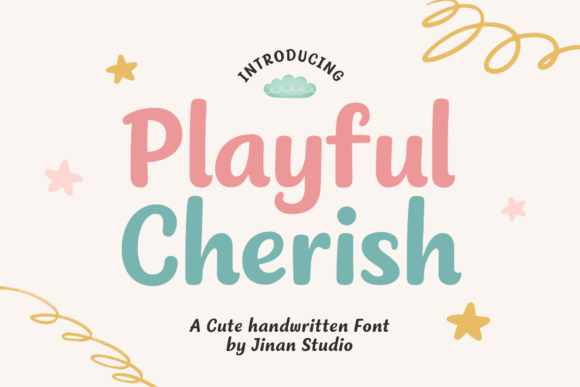
At first glance, Magic Dream appears to be a handwritten font, but its polished finish sets it apart from traditional script styles. The letterforms are carefully balanced, ensuring readability without sacrificing charm. This combination of simplicity and elegance makes Magic Dream a standout choice for designers who want to convey a sense of professionalism while maintaining a warm and inviting tone.
One of the most notable features of Magic Dream is its crisp structure. Unlike some fonts that can feel cluttered or overly stylized, Magic Dream maintains a clear and organized layout. This is particularly useful in digital environments where legibility is key. Whether used in headlines, body text, or logos, Magic Dream ensures that the message remains front and center.
Why Magic Dream Stands Out
What truly sets Magic Dream apart is its versatility. It works well across multiple mediums and industries, adapting seamlessly to different design contexts. For example, in branding, Magic Dream can help create a cohesive visual identity that feels both modern and trustworthy. Its friendly vibe makes it especially popular in sectors like fashion, food, and lifestyle, where a welcoming aesthetic is essential.
In digital content, Magic Dream shines as a headline font. Its clean lines and rounded edges make it easy on the eyes, even when used at smaller sizes. This is crucial for websites, social media posts, and email campaigns, where quick readability is a priority. Designers often choose Magic Dream for its ability to convey emotion without being too flashy or distracting.
Another advantage of Magic Dream is its scalability. Whether printed on packaging or displayed on a screen, the font retains its clarity and character. This makes it an excellent choice for product labels, signage, and promotional materials. Its adaptability means that it can be used in both large-scale projects and small, personal touches without losing its impact.
Practical Applications of Magic Dream
Let’s explore some real-world scenarios where Magic Dream proves to be a valuable asset:
- Branding: Magic Dream adds a touch of personality to brand logos and taglines, helping businesses stand out in a crowded market.
- Headlines: Its friendly yet professional look makes it ideal for news articles, blog posts, and social media updates.
- Packaging: Used on product boxes or labels, Magic Dream gives a sense of quality and approachability, encouraging customer engagement.
- Digital Content: From website headers to app interfaces, Magic Dream enhances user experience by improving readability and visual appeal.
- Marketing Materials: Brochures, flyers, and posters benefit from Magic Dream’s clean design, which helps convey information effectively without overwhelming the reader.
These examples highlight how Magic Dream can be integrated into various aspects of modern design workflows. Its ease of use and consistent style make it a go-to option for designers looking to streamline their creative process without compromising on aesthetics.
Choosing Magic Dream: Key Considerations
Before adopting Magic Dream for a project, there are several factors to consider:
- Intended Use: Determine whether the font will be used for headings, body text, or decorative elements. Magic Dream excels in headline applications but may not be suitable for long-form content due to its slightly informal appearance.
- Target Audience: Assess the demographic you're designing for. Magic Dream’s friendly and approachable nature makes it ideal for younger audiences, casual brands, and lifestyle-oriented products.
- Visual Harmony: Ensure that Magic Dream complements other design elements such as color schemes, imagery, and layout. Its neutral palette allows it to blend easily with most visual styles.
- Technical Compatibility: Check if the font supports the necessary character sets and file formats for your project. Most modern design tools offer seamless integration with Magic Dream.
- Accessibility: While Magic Dream is visually appealing, always test its readability across different screen sizes and lighting conditions to ensure it meets accessibility standards.
By carefully evaluating these considerations, designers can make informed decisions about when and how to use Magic Dream effectively.
Conclusion
Magic Dream is a font that bridges the gap between simplicity and sophistication. Its clean lines, friendly tone, and versatile design make it a powerful tool for modern creatives. Whether you're working on branding, digital content, or print materials, Magic Dream offers a unique blend of clarity and charm that can elevate any project. With its intuitive structure and broad applicability, Magic Dream is more than just a font—it’s a design companion that brings warmth, professionalism, and personality to every application.