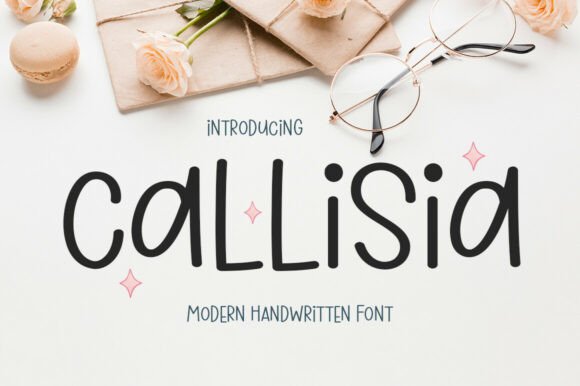
Callisia: A Modern Handwritten Font for Creative Expression
Callisia is a striking, elegant typeface that brings a refined and contemporary feel to any design project. Its tall proportions and artistic flair make it an ideal choice for those looking to elevate their visual communication with a touch of sophistication. Whether you're designing branding materials, crafting wedding invitations, or enhancing lifestyle photography overlays, Callisia offers a unique blend of modernity and artisanal charm.
Understanding the Callisia Typeface
Callisia stands out due to its distinctive features. The font boasts quirky, elongated stems and a dynamic baseline that gives it a sense of movement and energy. This combination of elegance and playfulness makes it versatile enough to suit a wide range of creative applications. It's not just about aesthetics; the structure of Callisia ensures that it remains legible even in its most expressive forms.
One of the key strengths of Callisia is its ability to convey both professionalism and creativity. Its graceful yet modern design allows it to fit seamlessly into high-end branding efforts without sacrificing readability. This balance between style and function is what makes Callisia a preferred choice among designers and creatives who value both form and utility.
Where Callisia Fits in the Creative Workflow
Callisia can be integrated at various stages of a creative project, depending on the needs of the task. For instance, during the initial concept phase, using Callisia for logo design or branding elements can help set the tone for the overall aesthetic. Its bold and artistic nature can inspire a more visually engaging approach from the outset.
During the execution phase, Callisia can serve as a signature element in your design. Whether it's for a website header, social media posts, or print materials, the font adds a level of sophistication that enhances the perceived value of your work. It's also effective when used in conjunction with other fonts, particularly classic serifs, to create a timeless editorial look.
In the final review and delivery stage, Callisia’s clarity and visual impact ensure that your designs remain professional and impactful. It helps maintain consistency across all deliverables, which is crucial for maintaining brand identity and user experience.
Practical Use Cases for Callisia
Callisia is particularly well-suited for luxury boutique branding, where a distinctive and memorable visual identity is essential. Its elegant appearance aligns perfectly with the high standards of such brands, helping to communicate quality and exclusivity.
For wedding stationery, Callisia adds a personal and artistic touch that complements the romantic and celebratory atmosphere. It works especially well in invitations, thank-you notes, and event programs, where a handcrafted feel is desired.
In the realm of high-end lifestyle photography, Callisia can be used for text overlays, captions, and titles. Its modern yet refined style enhances the visual storytelling aspect of these images, making them more engaging and emotionally resonant.
Integration with Other Design Tools and Resources
Callisia works best when paired with other design tools and resources that support a cohesive workflow. For example, when using graphic design software like Adobe Illustrator or Photoshop, the font's versatility allows for easy customization and integration into various design elements.
When working with digital platforms, ensuring compatibility is essential. Callisia should be tested across different devices and screen sizes to confirm that it maintains its intended appearance and readability. This step is particularly important for web-based projects where the font might be used in headlines or call-to-action buttons.
Additionally, pairing Callisia with complementary fonts can enhance the overall design. Classic serif fonts provide a contrast that balances the modern and artistic qualities of Callisia, resulting in a more harmonious and professional look.
Implementation Tips for Smooth Integration
To integrate Callisia effectively into your workflow, start by assessing your specific design needs. Consider the context in which the font will be used and how it aligns with your brand identity or project goals. This initial evaluation helps in selecting the right application for the font.
Next, test the font in different formats and environments. Whether you're using it for print or digital content, verifying its performance across various mediums ensures that it meets your expectations. Pay attention to spacing, alignment, and readability to avoid any potential issues.
Finally, maintain consistency throughout your design process. Using Callisia consistently across all relevant materials reinforces brand recognition and creates a unified visual language. This consistency is especially important when working on large-scale projects or campaigns.
Long-Term Use and Quality Control
When considering long-term use, it's important to evaluate how Callisia fits into your ongoing design practices. Regularly reviewing its performance and relevance helps ensure that it continues to meet your evolving needs. As trends change, reassessing your font choices can help keep your design work fresh and aligned with current standards.
Quality control is another critical aspect of integrating Callisia into your workflow. Ensuring that the font is applied correctly and consistently across all platforms and materials helps maintain the integrity of your design. This includes checking for proper formatting, file types, and rendering accuracy in different environments.
By thoughtfully incorporating Callisia into your creative process, you can enhance the visual appeal and effectiveness of your projects. Its unique characteristics make it a valuable asset in a designer's toolkit, offering both artistic expression and functional utility.