Little Child: The Handwritten Font That's Reshaping Creative Expression
In an era dominated by digital precision and algorithmic efficiency, there’s a growing appreciation for the warmth, authenticity, and human touch that handwritten fonts bring to design. Among the many options available, Little Child stands out as a unique and versatile typeface that bridges the gap between traditional craftsmanship and modern creativity. Designed with a nostalgic charm, this font is not just a visual choice—it’s a statement about how we communicate, learn, and connect in a digital world.
What Is Little Child?
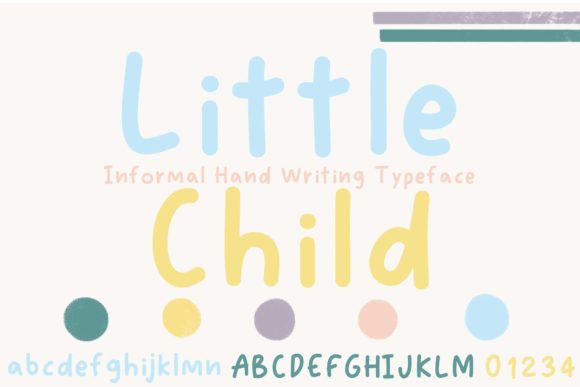
Little Child is a handwritten font that captures the essence of childhood handwriting, complete with its imperfections and personality. It’s designed to evoke a sense of innocence, simplicity, and authenticity. Whether used for chalkboard quotes, educational materials, or branding, Little Child adds a personal and realistic feel to any project.
The font’s character set includes a wide range of letters, numbers, and symbols, making it suitable for both short phrases and longer texts. Its irregular strokes and varied letter spacing mimic the way children naturally write, creating a visually engaging and emotionally resonant experience for the viewer.
The Rise of Handwritten Fonts in Modern Design
As designers and creators seek to differentiate themselves in a crowded digital landscape, there’s a clear trend toward using handwritten fonts like Little Child to add a human element to their work. This shift reflects a broader cultural movement toward valuing authenticity and emotional connection over sterile, machine-generated aesthetics.
In industries such as education, marketing, and creative entrepreneurship, the use of handwritten fonts has become a powerful tool for building brand identity and fostering engagement. For example, educators are increasingly using Little Child in lesson plans, flashcards, and classroom displays to make learning more relatable and memorable for students.
Similarly, entrepreneurs and small business owners are leveraging Little Child to create handcrafted-looking logos, packaging, and social media graphics. This font helps convey a sense of care, individuality, and trust—qualities that resonate deeply with consumers who are looking for meaningful connections with the brands they support.
Why Are People Paying Attention to Little Child?
The growing popularity of Little Child can be attributed to several key factors. First, it aligns with the increasing demand for personalized and emotionally engaging content. In a world where everything feels mass-produced, a handwritten font offers a refreshing alternative that speaks directly to the heart.
Second, Little Child fits seamlessly into the current trend of “handmade” and “DIY” aesthetics. Consumers are drawn to products and services that feel authentic and handcrafted, and this font allows creators to tap into that desire without requiring advanced design skills.
Third, the font’s versatility makes it highly adaptable across different platforms and mediums. Whether it’s used on a website, a print brochure, or a social media post, Little Child maintains its charm and readability, ensuring consistent brand messaging across all touchpoints.
How Does Little Child Fit Into Broader Trends?
Little Child is not just a font—it’s part of a larger movement toward blending the old and the new in creative expression. This trend is evident in various industries, from lifestyle and consumer goods to technology and digital marketing.
In the realm of lifestyle and consumer trends, there’s a strong focus on mindfulness, self-care, and personal growth. Fonts like Little Child play a role in this by helping individuals express their values and beliefs through visual storytelling. For instance, wellness bloggers and yoga instructors often use this font to create content that feels warm, inviting, and genuine.
In the tech industry, the rise of user-centered design and human-centric interfaces has led to a greater emphasis on typography that enhances readability and emotional impact. Little Child fits perfectly into this context, offering a balance between aesthetic appeal and functional usability.
Practical Applications of Little Child
One of the most compelling aspects of Little Child is its wide range of practical applications. Here are a few examples of how this font can be used effectively:
- Education:** Teachers can use Little Child in classroom materials, flashcards, and interactive learning tools to make content more engaging and relatable for young learners.
- Marketing:** Marketers can incorporate Little Child into branding strategies, social media posts, and promotional materials to create a more personal and memorable brand image.
- Design Projects:** Freelancers and designers can use Little Child in posters, invitations, and creative portfolios to stand out and showcase their unique style.
- Personal Use:** Individuals can use Little Child for journaling, note-taking, and crafting to add a personal touch to their everyday activities.
By integrating Little Child into these areas, creators can enhance the emotional resonance of their work while maintaining a professional and polished appearance.
Conclusion: The Future of Handwritten Typography
As we move further into the digital age, the value of handwritten typography like Little Child continues to grow. It serves as a reminder that even in a world driven by technology, there is still a deep-seated need for authenticity, creativity, and human connection.
Whether you’re an educator, marketer, designer, or simply someone who appreciates the beauty of handwritten expression, Little Child offers a unique and powerful way to bring your ideas to life. By embracing this font, you’re not just choosing a design tool—you’re choosing a voice that speaks directly to the heart of your audience.